
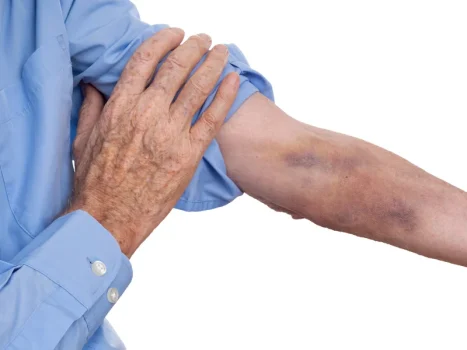
Alcohol suppresses rapid eye movement, or REM sleep, which is an essential restorative stage of sleep your body requires. And since alcohol is a diuretic, you’ll probably visit the bathroom more frequently at night, which can significantly hinder sleep. In short, alcohol may increase your risk of experiencing gastritis and digestive symptoms. Over time, the damage done can lead to alcoholic neuropathy, where the peripheral nerves in your limbs have been badly damaged by alcohol. More seriously, this reduced clotting leads to an increased risk of stroke.
Heart and Circulatory System
Whether someone is young or old, male or female, rich or poor, they can be susceptible to the grip of alcohol addiction. When it comes to understanding alcoholism, it is important to recognize that it is not simply a matter of willpower or moral failing. It is a disease that affects the brain and behavior, and it requires professional help and support to overcome it. The impact of alcoholism is far-reaching, affecting not only the individual but also their loved ones and society as a whole.
- Prolonged alcohol abuse can lead to inflammation and scarring of the liver, ultimately resulting in conditions such as alcoholic hepatitis, fibrosis, and cirrhosis.
- Understanding the ‘Physical Signs Of Alcoholism’ at each stage can help in early detection and intervention.
- Although the leading causes of liver cancer are hepatitis B and C, excessive alcohol use can also increase your risk.
When to see a doctor

Among those with AUD, about 15 to 30% overall have co-occurring PTSD, with increased rates of 50 to 60% among military personnel and veterans.33 The two conditions may worsen each other. Thus, here, too, it’s important to be cognizant of the signs of PTSD in patients with AUD, and vice versa. If you’re not ready to approach a health care provider or mental health professional, help lines or hotlines may be a good place to learn about treatment. You can find these lines listed on the internet or in the phone book.
Laryngeal Cancer

Risks for the baby can include brain damage and developmental, cognitive, and behavioral issues. physical symptoms of an alcoholic No amount of alcohol is safe to drink while pregnant, according to the CDC. Chronic drinking can affect your heart and lungs, raising your risk of developing heart-related health issues. Alcoholism or alcohol use disorder (AUD) is a chronic disease that arises from alcohol misuse.
Behavioral Treatments
Don’t wait until a person has more than six symptoms before seeking treatment. By then, they already have severe alcoholism, which can be more difficult to treat. Alcohol consumption also increases a person’s risk for impulsive behavior.8 This impulsivity, in combination with reduced cognition, can lead to poor life choices. Alcohol consumption has been found to increase a woman’s risk of breast cancer, even in small amounts. Prolonged alcohol use can lead to malnutrition and vitamin deficiencies. This can weaken your immune system and increase your risk for long-term health complications.
What’s Technically Considered Alcoholism?
With medical care, emotional support, and persistence, even people in the final phases of alcohol use disorder can find a way Alcoholics Anonymous to meaningfully improve their lives. If you think you may have alcohol use disorder, you’re not alone. Realizing you may have an issue is the first step toward getting better, so don’t hesitate to talk to a healthcare provider. They’ll recommend treatments and resources to help you recover from alcohol use disorder. There are factors that pop up again and again when determining who might have an issue with alcoholism.
Stomach issues
- Almost always, people feel nervous or defensive about their drinking, which is one reason this very common problem so often goes undetected or unaddressed.
- They may also exhibit physical withdrawal symptoms, such as tremors, sweating, and nausea when attempting to stop or limit alcohol consumption.
- It goes beyond simply enjoying a drink or two; it involves a compulsive need for alcohol that disrupts an individual’s personal, professional, and social life.
- You could speak to a health professional at your GP surgery, or there are also a number of national alcohol support services that you can confidentially self-refer to for advice and support.
- Our team of experts is here to guide you through the process, providing you with the tools and resources you need to regain control over your life.
- Alcohol (ethanol) depresses (slows down) your central nervous system (CNS).
However, internal changes, such as an increased tolerance to alcohol or using alcohol as a coping mechanism, may start to develop. During this type of treatment, medications may be used to help ease withdrawal symptoms or help prevent further health complications. Common medications include benzodiazepines, anticonvulsants, and thiamine to prevent brain damage. While late-stage alcoholism is serious, recovery is possible with the right help. Treatment often starts with medical detox and continues with a combination of therapy, support, and long-term strategies.

Working with a physician can help you create a personalized plan for making a change. People with severe or moderate alcohol use disorder who suddenly stop drinking could develop delirium tremens (DT). It can be life-threatening, causing serious medical issues like seizures and hallucinations that require immediate medical care. Alcohol use disorder increases the risk of liver disease (hepatitis and cirrhosis), heart disease, stomach ulcers, brain damage, stroke and other health problems. Alcohol abuse has many psychological and physiological effects which can vary widely based on a person’s chemical makeup and level of consumption.
Alcohol poisoning (overdose) can happen if you drink large amounts of alcohol quickly. Because many people who drink don’t know their limits, an overdose can occur without warning. Edmund has an extensive background in SUD research and medical writing, working collaboratively with doctors, substance use disorder specialists, and clinical experts across all content on Recovered. There are many other areas of appearance outside of the skin and face that can be affected by alcohol abuse. Alcohol depletes essential nutrients like B vitamins, crucial for healthy nerve function. This can lead to nerve-related itching, known as generalized pruritus.
These shakes increase in frequency as alcoholism moves into later stages. Tremors are signs of serious health problems, and you need professional care to detox safely. Confusion is a red light that alcohol is causing damage to your brain.

Studies show that people with unhealthy drinking habits have a higher risk of developing a nightmare disorder and sleep apnea. They are also three times more likely to develop periodic limb movement disorder. People in this stage are often physically dependent on alcohol and experience potentially debilitating withdrawal symptoms if they stop drinking.